
Flower guide
Tulip
Tulip keeps a bouquet open and fresh, with a lightness that feels honest rather than plain.
What Tulip usually says
This is the practical read of the flower inside a bouquet, not the prettiest version of the story.
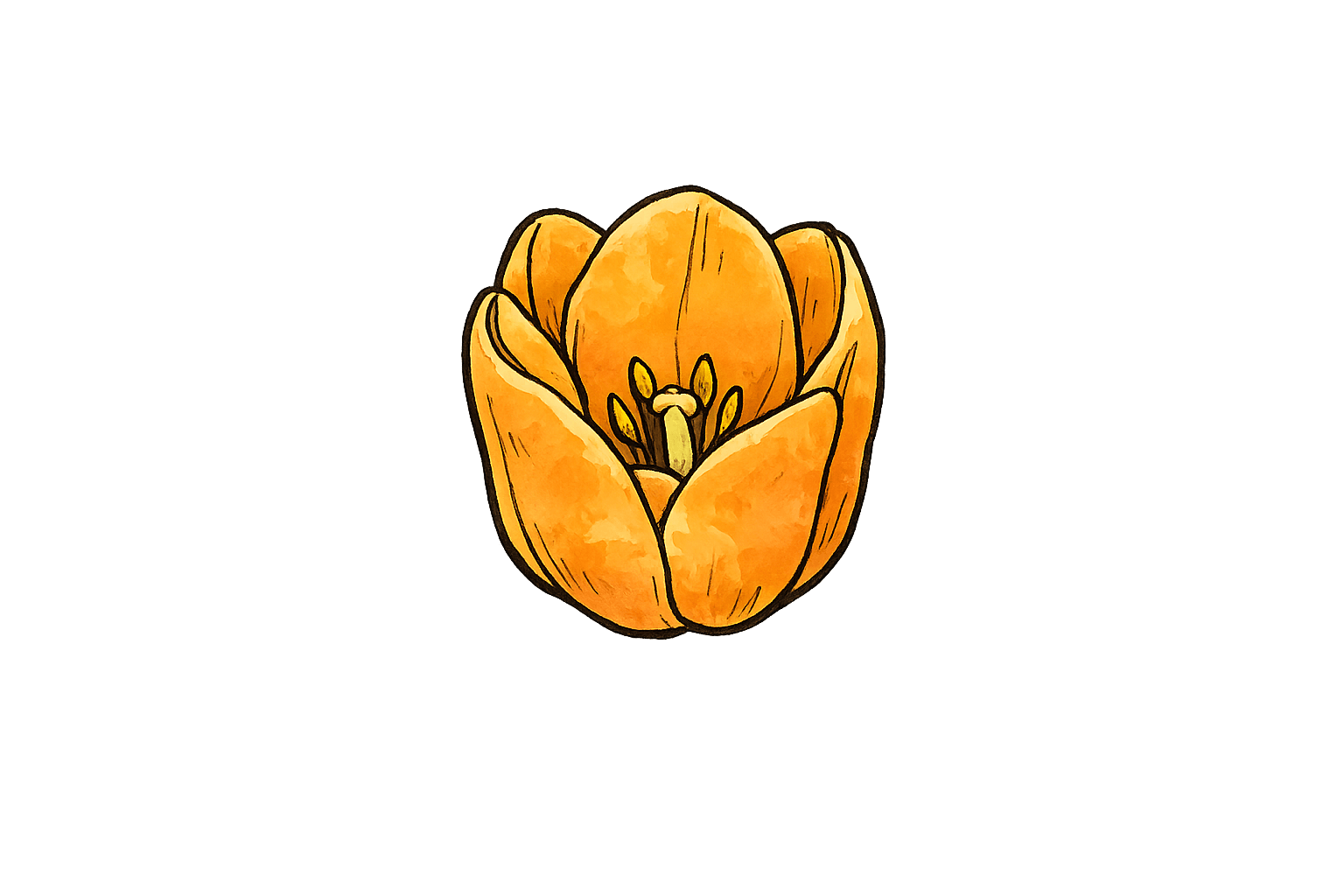
Flower image
A close visual reference of tulip as it appears inside the Digibouquet asset set.
Flower meaning
Tulips are easy to read. They suggest warmth without pressure, which makes them useful when the message should feel honest, fresh, and uncomplicated.
Emotional tone
A bright flower for affection, spring energy, and simple sweetness.
When it works best
Best use cases
- A spring birthday
- A cheerful thank-you
- A new relationship that still feels bright and simple
When to choose another flower
- A formal condolence message
- A bouquet that needs to feel deeply dramatic
- A gift that should read as luxurious first
How the meaning shifts by place
Flower meaning is never perfectly fixed, but some regional readings appear often enough to help you choose with more confidence.
Turkey
Tulips still carry an echo of courtly beauty and ornament, which gives them more elegance than people sometimes expect.
Netherlands
They are closely tied to spring, renewal, and a clean design-led floral tradition rather than ornate sentimentality.
United States
Tulips often feel like open affection or everyday romance, especially when the bouquet should stay light and breathable.
A short history of tulip
The background matters because it explains why some flowers feel formal, some feel romantic, and others feel lighter or more modern.
- Tulips were admired in Ottoman gardens before they became famous through European trade and cultivation.
- Dutch growing culture helped shape the modern tulip palette, which is part of why the flower feels so visually legible now.
- Because tulips are seasonal and simple in silhouette, they became a staple for bouquets that need freshness rather than ceremony.
How to combine it inside a bouquet
Good combinations help control intensity. They keep the bouquet from saying too much in one direction.
Reliable pairings
- Daisy for freshness
- Peony for softness
- Rose for stronger emotion
How florists usually use it
- Use tulips as the bridge flower when you need to connect a stronger focal bloom to lighter supporting flowers.
- Pair tulip with daisy or gerbera for a fresh, friendly arrangement that stays easy to read.
- If you add rose, keep the tulips visible around it so the bouquet does not lose the openness that tulip naturally brings.
Keep reading
These pages place the flower back into real gifting moments, so the choice feels grounded rather than abstract.
Occasions
How to choose a birthday bouquet that feels cheerful without feeling generic
A birthday bouquet should feel chosen for the person, not just decorated for the occasion, which means mood and relationship matter as much as color.
Occasions
How to say thank you with flowers when words should stay simple
A gratitude bouquet feels strongest when it names the kindness clearly, keeps the tone warm, and avoids turning appreciation into a performance.
Relationships
How to choose flowers for a new relationship without overdoing it
A bouquet for a new relationship should feel warm, attractive, and easy to receive, with enough intention to matter and enough restraint to leave room.
Milestone and encouragement
A first-day-at-the-new-job bouquet that feels calm and confident
A first-day bouquet for steady encouragement: bright enough to lift the moment, but calm enough not to turn a new role into a performance test.
Relationship anniversary
An anniversary bouquet that feels intimate without being loud
An anniversary bouquet for a private relationship moment, where the flowers should feel unmistakably meant for one person without turning the page into a performance.
Editorial notes
Reviewed by the Digibouquet editorial desk and updated on 2026-04-16. These flower pages are maintained as practical gifting references, with attention to tone, occasion fit, and the way a bloom changes the message around it.
Questions or corrections can be sent to hello@digibouquet.app.
Digibouquet
Start a digital bouquet with flowers, a note card, and a private page.
Choose the flowers, match the card, and send the finished Digibouquet page in a few quiet steps.