
Flower guide
Lily
A lily gives a bouquet calm authority, with a shape that reads thoughtful before it reads decorative.
What Lily usually says
This is the practical read of the flower inside a bouquet, not the prettiest version of the story.
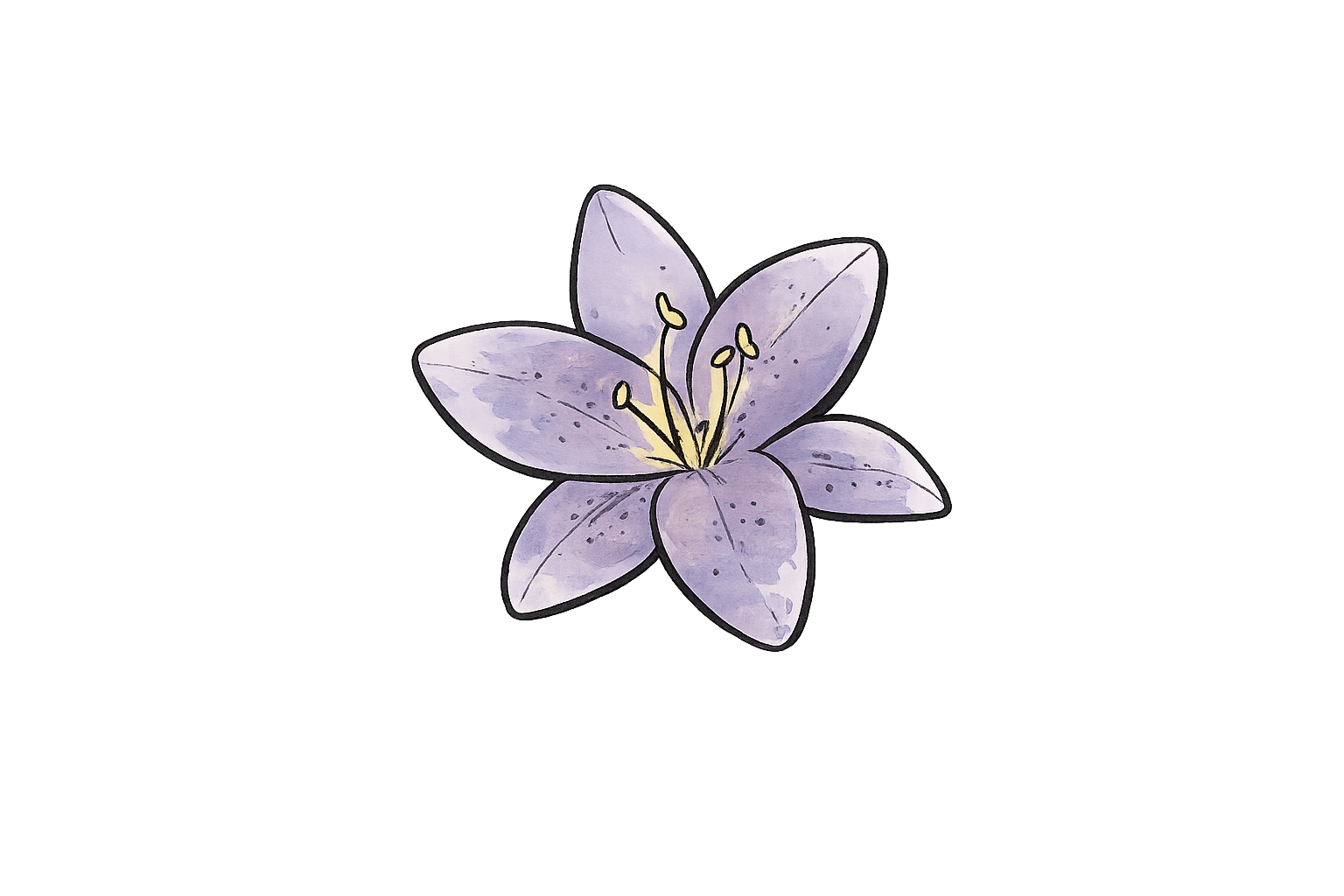
Flower image
A close visual reference of lily as it appears inside the Digibouquet asset set.
Flower meaning
Lilies make a bouquet feel composed. They are useful when kindness, respect, and clarity need to sit ahead of anything dramatic or overly romantic.
Emotional tone
A graceful choice for care, reassurance, and polished sentiment.
When it works best
Best use cases
- Get-well or recovery support
- A thoughtful congratulations bouquet
- A composed message of affection
When to choose another flower
- A playful or flirtatious first gift
- A deliberately casual send
- A message that should feel bright and mischievous
How the meaning shifts by place
Flower meaning is never perfectly fixed, but some regional readings appear often enough to help you choose with more confidence.
France
Lilies often read as formality, purity, and ceremony, which gives them a dignified presence in more serious bouquets.
Japan
They carry a sense of grace and noble beauty, especially when the arrangement is quiet and carefully balanced.
United States
Lilies can move between sympathy, support, and refined celebration depending on color and what surrounds them.
A short history of lily
The background matters because it explains why some flowers feel formal, some feel romantic, and others feel lighter or more modern.
- Lily imagery appears across Mediterranean and Asian traditions, so the flower has long been linked to beauty with form and discipline.
- Religious painting and ceremonial use helped fix the lily’s reputation as a flower of purity, respect, and composure.
- Modern florists still use lilies when a bouquet needs line, breathing room, and a tone that feels more composed than playful.
How to combine it inside a bouquet
Good combinations help control intensity. They keep the bouquet from saying too much in one direction.
Reliable pairings
- Daisy for lightness
- Lotus for calm
- Camellia for restraint and grace
How florists usually use it
- Pair lily with daisy or tulip when you want to make a serious bouquet feel more approachable and less ceremonial.
- Use lily with orchid or camellia when the arrangement should feel clean, polished, and quietly premium.
- Avoid crowding lily with too many loud focal flowers, or the bouquet can lose the calm control that makes lilies useful.
Keep reading
These pages place the flower back into real gifting moments, so the choice feels grounded rather than abstract.
Occasions
How to send a get-well bouquet that feels comforting, not demanding
A recovery bouquet should feel easy to receive: light in tone, gentle in color, and free from any wording that asks the recipient to perform optimism.
Occasions
How to send a condolence bouquet with restraint and care
A sympathy bouquet should offer presence, steadiness, and respect, not decoration for its own sake and not language that asks the recipient to manage your feelings.
Message writing
Digital bouquet message ideas that sound personal without becoming overwritten
A bouquet note works when it sounds like something a real person would say in that exact relationship, on that exact day, for that exact reason.
Repair and accountability
A gentle apology bouquet that sounds sincere without adding pressure
A restrained apology bouquet for acknowledging harm, lowering the temperature, and leaving room for a calmer conversation without asking the recipient to respond right away.
Care and recovery
A get-well bouquet that stays calm and comforting
A get-well bouquet for quiet presence during recovery, designed to comfort without demanding cheerfulness, conversation, or a fast return to normal.
Editorial notes
Reviewed by the Digibouquet editorial desk and updated on 2026-04-16. These flower pages are maintained as practical gifting references, with attention to tone, occasion fit, and the way a bloom changes the message around it.
Questions or corrections can be sent to hello@digibouquet.app.
Digibouquet
Start a digital bouquet with flowers, a note card, and a private page.
Choose the flowers, match the card, and send the finished Digibouquet page in a few quiet steps.